

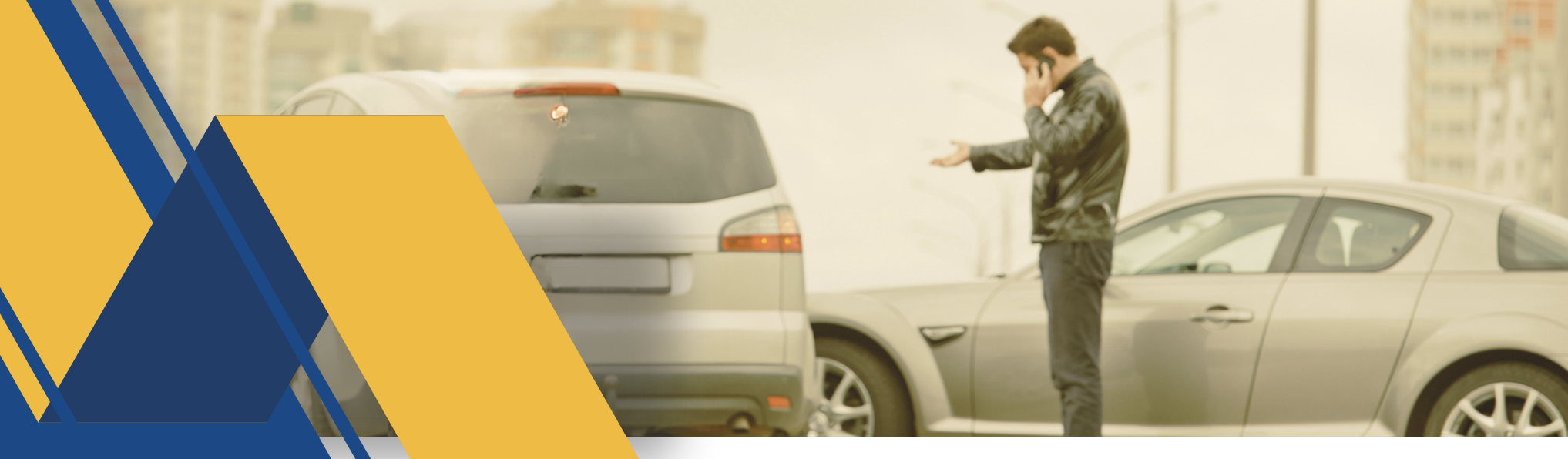
I’VE BEEN IN A COLLISION, IT WASN’T MY FAULT, WHERE DO I BEGIN?
Report to Their Insurance: Contact the other person’s liability insurance right away to let them know about the crash. Also, inform your own insurance because there might be additional insurance coverages that apply. The other driver’s insurance info can be found in the police report or from the officer at the scene.
Police Report Details: The investigating officer will give you a document called the FR-10. This document will have preliminary information about the collision. A few days after the collision, you will be able to obtain the actual police report called the TR-310. These police reports will have your information, as well as personal and insurance information about everyone involved. The TR-310 can be obtained from the department that responded to your collision (Highway Patrol, County Deputy, or City Police).
Contacting Their Insurance: When you contact the at-fault driver’s insurance company (known as the “liability carrier”), you should call them and then send them a written notice describing when and where the collision happened, along with details about your vehicle. Expect a written response if you notify them in writing. The person you communicate with at the liability carrier’s office is called an “Adjuster”. Make sure to obtain their name, contact information, and your claim number (the number you will reference when communicating with them about your property damage).
Talking to the Adjuster: It’s generally okay to talk to the adjuster, but make sure that your conversation is only about property damage. If they want a “recorded statement” about your injuries, politely decline and consult with an attorney promptly. If you’re injured, don’t discuss your injury claim with the adjuster without talking to an attorney first.
Denial of Property Damage Claim: If the insurance company denies your property damage claim, ask for the denial in writing and talk to your own insurance company about it.


This informational booklet has been written to help people who have been in an auto accident. If you have been hurt in a collision, or if you have had a family member or friend in an accident then please share this material with them. At Solomon Law Group, we have helped thousands of injured victims. We handle auto accidents, commercial vehicle accidents, defective drugs, product liability, workers’ compensation, wrongful death, and many other circumstances involving injury.
In many instances, particularly if it is your vehicle that has been damaged, there are two aspects to the claim: property damage and personal injury. You will almost always deal with the other person’s insurance company through its adjuster. An adjuster is the person the insurance company has hired to determine the value of your overall claim. They may often focus on the bodily injury portion of the claim and may rely on an appraiser to determine the damage to your vehicle. Both the adjuster and the appraiser are professionals employed by the insurance company. The purpose of this booklet is to give you the information you need to help make sure you potentially receive a reasonable and appropriate sum for the damage to your vehicle.

The liability insurance company is prohibited from forcing you to settle your personal
injury claim at the same time you settle the property damage claim.
If you do not agree with the settlement offered by the adjuster, you have the right to
request that the adjuster send to you, in writing, the amount of the offer along with
the legal basis the adjuster is relying on to support the offer.
