

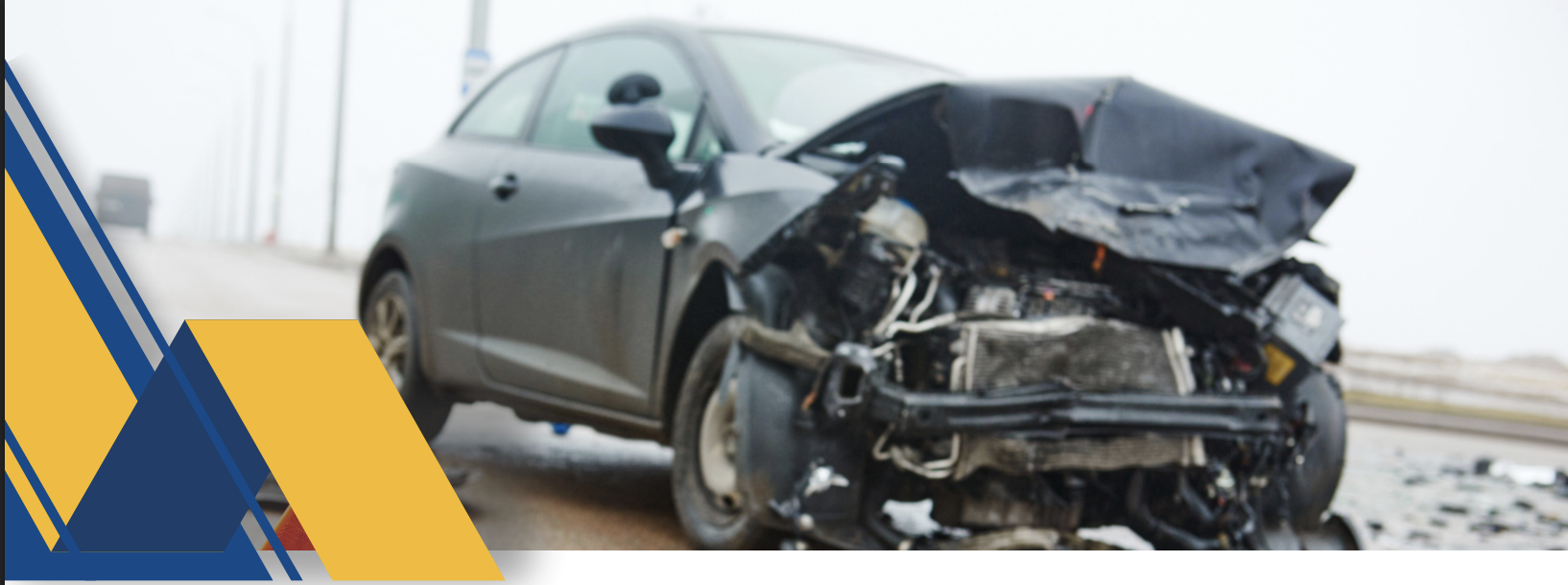
The value of your vehicle just before a collision is called the “Fair Market Value” or “FMV”. Fair market value is the amount at which the property would be sold between a willing buyer and a willing seller, both having reasonable knowledge of the relevant facts, and neither feeling pressured to buy or sell (as per I.R.S. Revenue Ruling 59-60).
A motor vehicle is considered a “total loss” if the cost of repairs (and supplementalclaims such as projected rental vehicle costs during the repair period) equals or exceeds 75% of the Fair Market Value. When the cost to repair the vehicle exceeds 75% of the “Fair Market Value,” the liability insurance company is not allowed to fix your vehicle and, instead, must pay the “Fair Market Value” for your vehicle.
How is “Fair Market Value” determined? Adjusters usually use a book value (BV) to determine fair market value, but they have some flexibility based on the vehicle’s condition. While book value is supposed to be fair market value, it’s not always exact, allowing room for negotiation. Many insurance companies refer to the National Automobile Dealers Association (NADA) publication “Official Used Car Guide,” which is updated monthly and can be found online at www.nadaguides.com. Another good
option is the “Trade-In Value of your vehicle at Kelly Blue Book online at www.kbb.com.
Some insurance companies use their own methods for valuations. It’s essential to note that no publication is entirely accurate; they are guides. This means there’s room for negotiation in determining the value of your property damage claim in each case.


WHAT HAPPENS IF WE CAN’T AGREE ON A VALUATION?
This happens, and it’s okay. If you and the adjuster can’t agree on the Fair Market Value (FMV) initially, the adjuster must base any future settlement offer not just on published average values of similar vehicles in the region but also on the value of similar vehicles in the local market. To figure out the local FMV, the adjuster can use either the local market price of a similar vehicle or, if none can be found, quotes from at least two qualified dealers in the local market area. Local listings for similar vehicles can be found at a number of places including www.cars.com; www.autotrader.com; www.carmax.com; and www.cargurus.com. This is not an exhaustive list, but should give you an idea of where to find vehicles like yours, in similar condition, with similar miles, for sale in your market.
The adjuster must take into account, good or bad, the condition of your car at the time of the collision. For example, if your car was in better-than-average condition before the accident, the adjuster has to take that into account when determining its value.
You should ask the adjuster for a written statement of the basis for their valuation of your vehicle. This statement should include the estimates, evaluations, and deductions used to calculate the payment, as well as where these values came from.
MY CAR IS A TOTAL LOSS, BUT I WANT TO KEEP IT, WHAT DO I DO THEN?
If the vehicle is a total loss, and if you and the adjuster agree on the vehicle’s pre-accident Fair Market Value and the adjuster is willing to pay the FMV, then the liability insurance company gets the car. In other words, the insurance company is going to buy your car from you for the FMV just before the collision. But because they are buying your vehicle, they will get to keep your vehicle. This is known as the “Salvage Vehicle”. The value of what is left of the “total loss” vehicle is referred to as the “salvage value”. When the adjuster pays the FMV, then you must sign over the title to the vehicle and turn over possession of it to the insurance company.
However, if you wish to keep your vehicle, then you must pay the insurance company the salvage value. You pay the salvage value by accepting a check from the insurance company for the FMV less the salvage value. The salvage value is based on the amount of money the insurance company believes it can get by selling your wrecked vehicle (for parts or for someone else to repair and sell as a salvage title vehicle). Prior to settling the property damage claim and accepting the FMV and the salvage value, you have the right to ask the liability insurance company to provide, in writing, the names and addresses of the salvage dealers who will purchase the vehicle for the amount claimed as salvage value by the adjuster.
Keep in mind, if the insurance company has declared your vehicle a “total loss” they must report that your vehicle is a salvage vehicle to the Department of Motor Vehicles. This prevents buyers in the future from buying a repaired vehicle that was more than 75% damaged, but still repaired without realizing it.

WHO GETS THE TOTAL LOSS CHECK?
If your vehicle is financed, the liability insurance carrier may determine the pay-off to the finance company, write a check to the finance company for the pay-off, and write you a check for the difference. Sometimes the check from the insurance company may have your name and the name of the finance company on the check.
You would then endorse the check and turn it over to the finance company. The finance company will pay off the loan and refund the difference to you as your equity in the vehicle.
If the pay-off on the loan is greater than the check from the insurance company then the finance company gets the entire check and you will still owe the finance company the difference unless you have purchased “gap insurance.” Gap insurance is insurance you purchase, generally when you first purchase the vehicle, to cover the “gap” between the amount financed and the vehicle’s value. Sometimes, it is required by lessors for leased vehicles or provided in financed purchases. Another kind of optional insurance you might have purchased is “repair or replacement” coverage. Repair or replacement coverage obligates your automobile insurance company to pay either the reasonable cost of repairs or the cost of a replacement vehicle, whichever is less. If your vehicle is not financed, then the insurance company will write you the check.
WHO PAYS FOR TOWING & THE STORAGE CHARGES?
The liability insurance company is responsible for all reasonable towing and storage charges until three days after you and the storage facility are notified in writing that the insurance company will no longer reimburse the owner or storage facility for storage charges. The written notification must contain the name, address and phone number of the facility storing the vehicle.
WARNING: As soon as the liability insurance company is no longer responsible for storage charges, YOU become responsible. These are often daily fees and they can add up quickly. The storage facility will not release your car until the storage fees are paid, so avoid unnecessary delay.

AM I ENTITLED TO A RENTAL VEHICLE WHEN I HAVE A TOTAL LOSS?
If your car is declared a total loss after a crash, you have the right to a rental car from the time of the accident until the liability insurance company makes you a reasonable offer. Once they make that offer, they’re no longer responsible for your rental. Sometimes, they might extend the rental period a bit if you’re having trouble finding a replacement car, but it’s up to their discretion.
Typically, the insurance carrier will provide you with a rental vehicle that is similar to your damaged car. If you had a compact car, you will likely get another compact car. If you drive a four-door sedan, you should get a similar sedan. Many insurance companies have partnerships with rental companies, making it easy for them to arrange a car for you at a reasonable cost, which they’ll cover. The insurance company will cover the daily rental fee but won’t include additional insurance, mileage, or gas (anything that would normally be your responsibility anyway). This might be an issue since rental companies typically require your debit/credit card information.
It is crucial to contact the insurance company promptly so that you are not without a vehicle any longer than necessary. However, some insurance companies won’t honor your claim unless their insured (the at-fault driver) reports it first. If they won’t provide a rental, you might have to rent a car at the regular market rate. Make sure to keep your receipts for reimbursement. When the insurance adjuster contacts you, ask what to do about continuing with the rental. You might be instructed to return the rental and get one from the company they usually work with. In this case, the insurance company should cover the initial rental cost until you’re in a more affordable car.
If the insurance company won’t provide a rental car and you can’t afford a rental car, keep a log of how you had to be transported (taxi, Lyft, or Uber) and if other people transported you and whether you had to pay them. However, the insurance company only has to pay you what is reasonable and necessary as a result of the collision.
